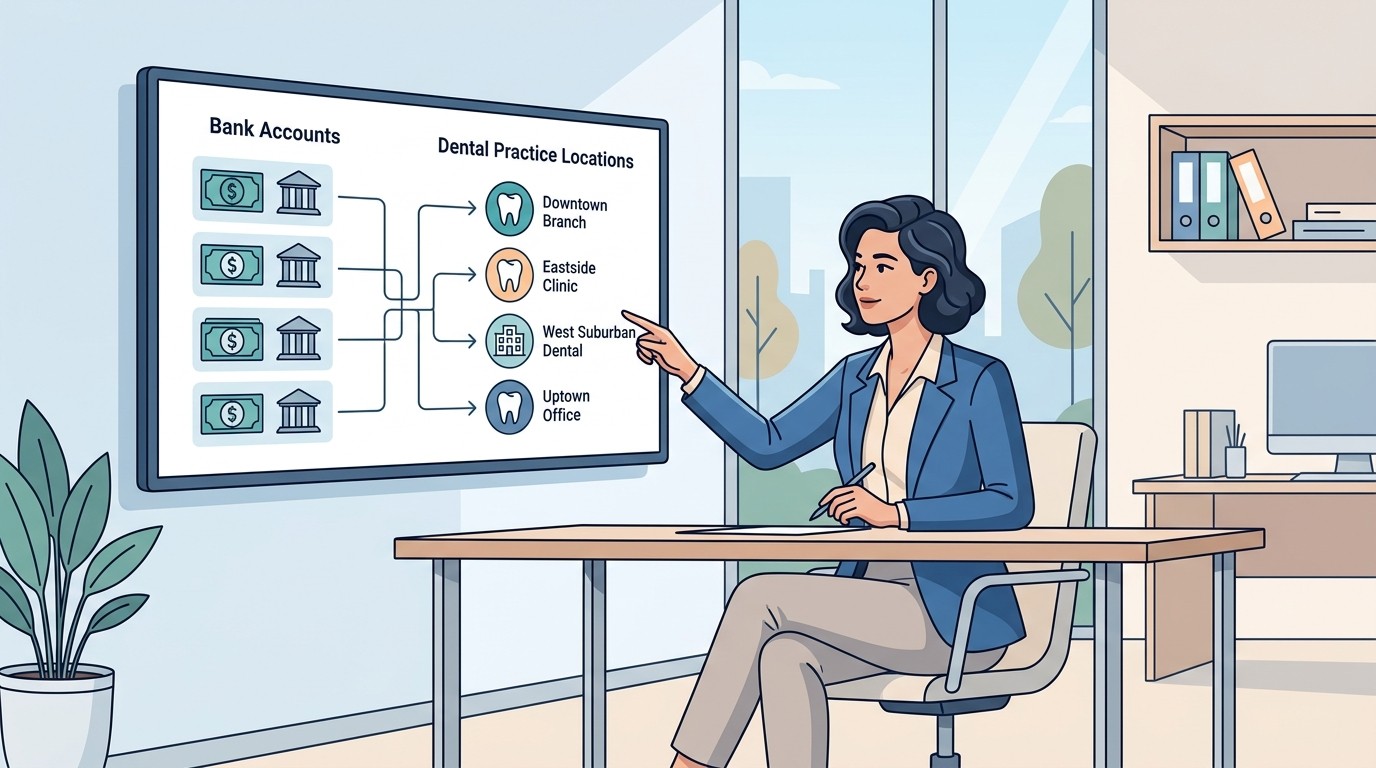
Open Dental Reconciliation: Best Practices for Practice Owners
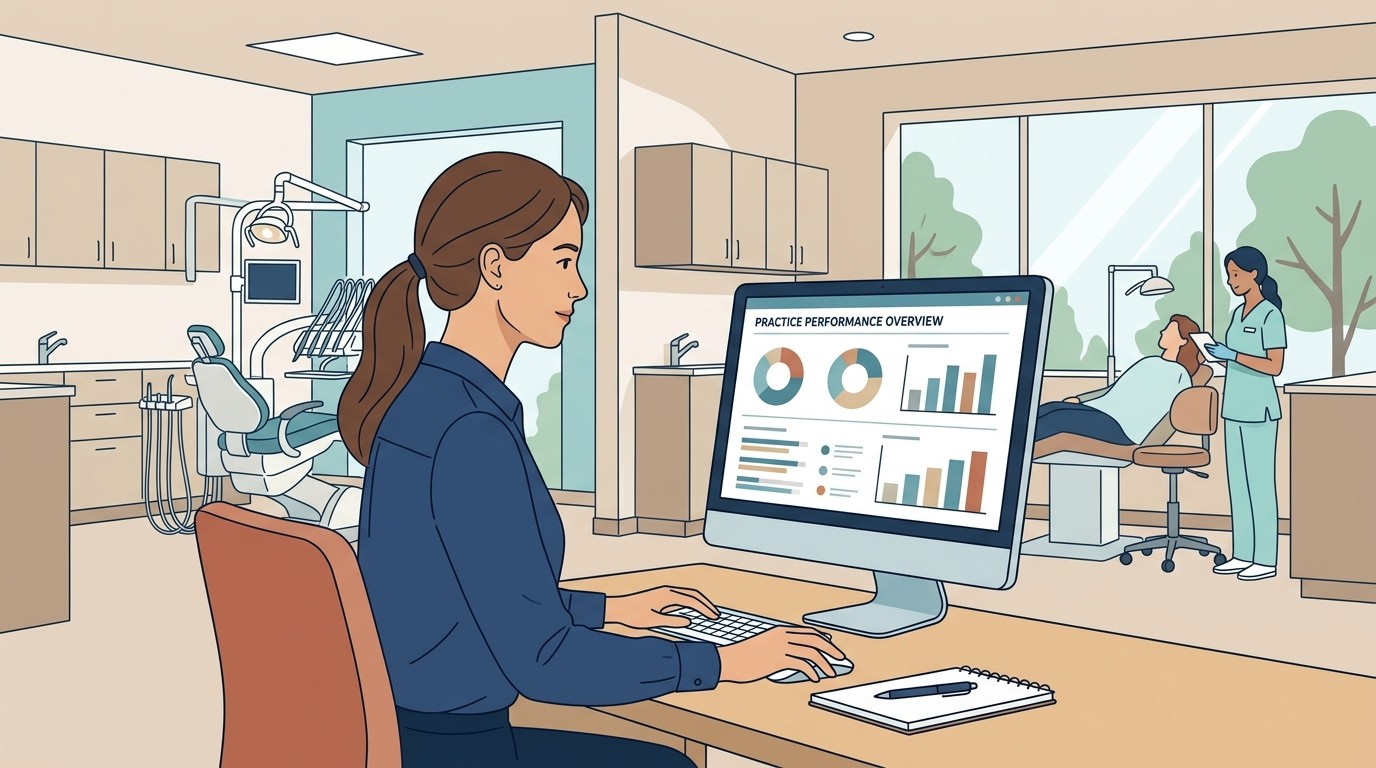
Open Dental is one of the most capable practice management systems available, and its open data model gives practices more control than most competing platforms. But reconciliation is still a process, not a feature, and the system's capabilities only help a practice that uses them deliberately.
Why Open Dental Practices Still Need a Reconciliation Process
Open Dental has earned a strong following among dental practices, particularly independent and multi-location groups, because of its flexible data model, transparent pricing, and the degree of control it gives practices over their own information. A practice on Open Dental can access and report on its data more directly than on many closed competing systems.
That capability is real, but it can create a false sense of security around reconciliation. Having access to good data is not the same as reconciling. Reconciliation is the active process of comparing what the practice management system says happened to what actually happened in the bank, the clearinghouse, and the payer remittances. Open Dental gives a practice excellent raw material for that comparison. It does not perform the comparison automatically.
A practice on Open Dental that does not have a deliberate reconciliation process has the same exposure as a practice on any other system. The system records what it is told. The gap between what it was told and what is actually true is where revenue leaks and where fraud hides.
What Reconciliation Means in an Open Dental Practice
Reconciliation in an Open Dental practice means comparing several data sources on a regular basis.
The Open Dental ledger and reports show what the practice posted, payments received, adjustments made, claims sent, and balances outstanding.
The practice's bank statements show what actually arrived, insurance EFTs, patient card deposits, check deposits, and cash deposits.
The payer remittances show what insurers say they sent.
The merchant processor statements show what card processing actually deposited.
A reconciled Open Dental practice can demonstrate that the payments posted in Open Dental match the deposits reaching the bank, that the insurance payments posted match what the payers' remittances show, and that the card payments posted match the merchant processor's deposits. When these match, the practice's reported numbers are trustworthy. When they diverge, the divergence is the signal.
A Practical Reconciliation Routine
A workable reconciliation routine for an Open Dental practice has daily, monthly, and periodic components.
Daily. Compare the day's posted collections in Open Dental against the day's actual deposits. Cash collected should match cash deposited. Card payments posted should match the merchant processor batch. This daily check catches skimming and posting errors within a day of when they occur.
Monthly. Reconcile the full month. Total collections posted in Open Dental against total deposits on the bank statement. Posted insurance payments against the month's payer remittances. Review the month's adjustments and write-offs for unusual patterns. Review credit balances and confirm refunds are being processed.
Periodically. A deeper review, ideally quarterly, that examines collection rate trends, AR aging, the production-to-collections relationship, and any gap between clinical activity and billing activity that would indicate unbilled encounters.
The routine matters more than any individual report. A practice that reconciles consistently catches problems while they are small. A practice that reconciles sporadically, or only at tax time, discovers problems after they have grown.
The Separation-of-Duties Point
An important principle applies regardless of practice management system. The person who handles money in the practice should not be the same person who performs the reconciliation. If the person posting payments and managing the bank is also the person verifying that posted payments match deposits, the reconciliation has no independent value, because the person being checked is doing the checking.
In an Open Dental practice, this means the reconciliation should be performed by someone other than the front desk staff and billing staff who handle the daily money, ideally an owner, an outside bookkeeper, or an independent verification system. Open Dental's good data access makes it straightforward to give an independent party the reporting they need without giving them operational access to the practice's money.
Using Open Dental's Strengths
Open Dental's open data model is genuinely useful for reconciliation when used deliberately. The practice can produce detailed reports on collections by type and date, on adjustments by user and reason, on claims and their status, and on AR aging, and it can do so without the reporting limitations some closed systems impose.
A practice that wants to reconcile well can build a reporting routine that pulls exactly the data needed for the daily, monthly, and periodic comparisons described above. The system supports it. The practice has to choose to do it.
For practices that want continuous reconciliation rather than a manual routine, Open Dental's data accessibility also makes it well suited to integration with a Revenue Integrity platform that performs the comparison automatically and reports to the owner.
Bottom Line
Open Dental is a capable, flexible practice management system that gives practices strong control over their data. But reconciliation is a process, not a feature, and Open Dental's capabilities only protect a practice that uses them deliberately. The practice still needs a routine that compares Open Dental's records against the bank, the payers, and the merchant processor, performed by someone independent of the staff who handle the money. The system provides excellent raw material for that comparison. Whether the comparison actually happens is up to the practice.
Zeldent integrates with Open Dental to provide continuous, automated reconciliation between the practice management system, the bank, the clearinghouse, and the merchant processor. The verification runs daily and reports to the owner, independent of the staff who handle the money. Schedule a demo to see how continuous reconciliation works for an Open Dental practice.