Pre-Acquisition Audits: What Revenue Gaps Tell You
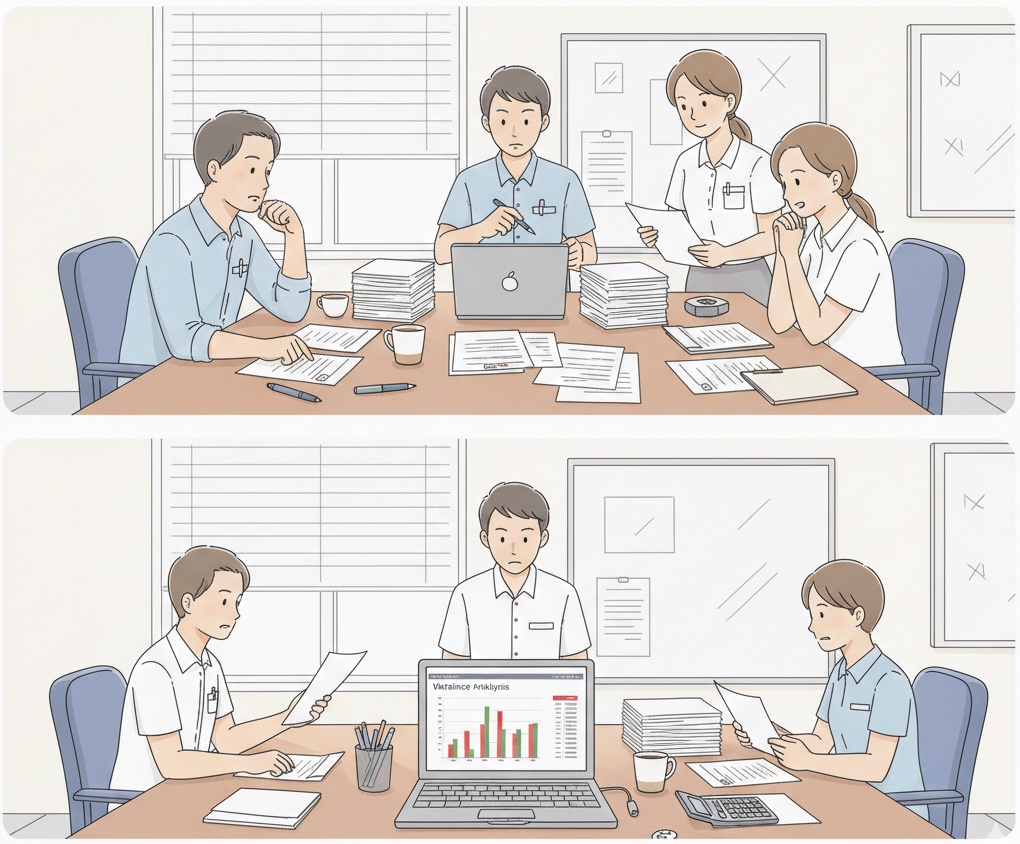
The practice looks profitable on paper. Production is strong, collections seem healthy. But until you reconcile what was collected to what was deposited, you do not know what you are buying.
📚 Part of our DSO series: This article is part of The DSO Financial Operations Playbook, our comprehensive guide to building scalable financial operations across multiple dental practice locations.
Why Pre-Acquisition Revenue Audits Matter
Dental practice acquisitions are priced on financial performance. Higher collections mean higher valuations. This creates incentives for sellers to present the most favorable picture possible, and sometimes that picture does not match reality.
Revenue reconciliation during due diligence protects buyers by verifying that reported collections actually occurred, identifying gaps between PMS records and bank deposits, discovering patterns that suggest problems, and providing leverage for price negotiation when issues are found.
A few hours of reconciliation work can save hundreds of thousands of dollars in overpayment or avoided surprises.
What Revenue Gaps Reveal
A gap between what the PMS shows collected and what the bank shows deposited can indicate several things.
Timing differences are benign and expected. Deposits made at month-end may not clear until the next month. Credit card batches may settle on different days than transactions. These gaps should be explainable and consistent.
Posting errors suggest operational weakness. If payments are posted incorrectly, reported collections may be overstated or understated. Significant posting errors indicate process problems that will need correction post-acquisition.
Unidentified deposits suggest control weakness. Deposits that cannot be traced to specific patient payments may indicate poor documentation, inconsistent processes, or potentially diverted payments that were replaced with other funds.
Missing deposits suggest potential theft. If PMS shows payments collected that never appear in the bank, either the payments were stolen or the PMS records are fabricated. Either scenario is serious.
Inflated collections suggest intentional misrepresentation. If the seller has manipulated records to inflate apparent collections, the practice is worth less than represented. This is a deal-breaker or at minimum a major price reduction.
Conducting the Revenue Audit
Start by obtaining the necessary data. From the practice, request monthly production and collection reports from the PMS for at least two years, daily deposit reports, and access to the PMS if possible for independent verification. From banking, request bank statements for all practice accounts for the same period and merchant account statements for credit card processing.
Perform the high-level comparison first. For each month, compare total collections per PMS to total deposits per bank statement. Calculate the variance and the variance percentage. Flag any month with variance exceeding two to three percent for deeper investigation.
Investigate significant variances by understanding what caused each material gap. Review daily deposits around month-end for timing issues. Check for large single-day variances that might indicate specific problems. Look for patterns across multiple months.
Sample-test at the transaction level by selecting random days or random deposits and tracing them back to specific patient payments in the PMS. This catches posting errors and fabrication that might not show in totals.
Analyze patterns by looking at whether variances are consistent or erratic. Consistent small variances suggest timing and are normal. Erratic large variances suggest problems. Variances that always favor the seller are suspicious.
Red Flags to Watch For
Collections that exceed deposits consistently suggests overstated revenue. If the practice regularly shows more collected than deposited, either they are sitting on cash which is unlikely or collections are overstated.
Large unexplained deposits suggests undisclosed income or replaced stolen funds. Every deposit should trace to patient or insurance payments. Unexplained funds warrant investigation.
Unidentified deposits that remain unidentified suggests control weakness. Some unidentified deposits are normal, but a large or growing balance indicates the practice cannot track its own money.
Round-number adjustments suggests estimation rather than proper accounting. Adjustments should reflect specific write-offs with reason codes, not round numbers that suggest someone is plugging holes.
Resistance to providing data suggests something to hide. Legitimate sellers provide due diligence information willingly. Excessive resistance or delay warrants skepticism.
Using Findings in Negotiation
When revenue gaps are found, quantify the impact by determining how much the practice may be overvalued based on inflated collections. If collections are overstated by fifty thousand dollars annually and the practice is valued at four times collections, the overstatement costs the buyer two hundred thousand dollars.
Negotiate price adjustment by reducing the purchase price to reflect verified rather than reported collections. The seller may dispute your findings, but documented analysis provides strong negotiating position.
Negotiate representations and warranties requiring the seller to warrant that reported financials are accurate. If gaps are later discovered, representations provide recourse.
Consider deal structure by using earnouts tied to post-close performance if you are uncertain about true collection levels. This aligns seller incentives with actual results.
Walk away if necessary because some findings are serious enough to abandon the deal. Significant fraud or misrepresentation suggests a seller you cannot trust. Massive undisclosed problems suggest a practice not worth buying.
Post-Close Verification
Continue reconciliation after closing to verify that collections remain at expected levels, identify any issues that due diligence missed, establish baseline for ongoing management, and support earnout calculations if applicable.
The first ninety days post-close often reveal problems that were not apparent during due diligence. Aggressive reconciliation during this period protects your investment.
Conducting acquisition due diligence? Zeldent provides automated reconciliation that verifies collections against bank deposits across any time period. See exactly what a practice actually collected, not just what they reported. Schedule a demo to see due diligence reconciliation.