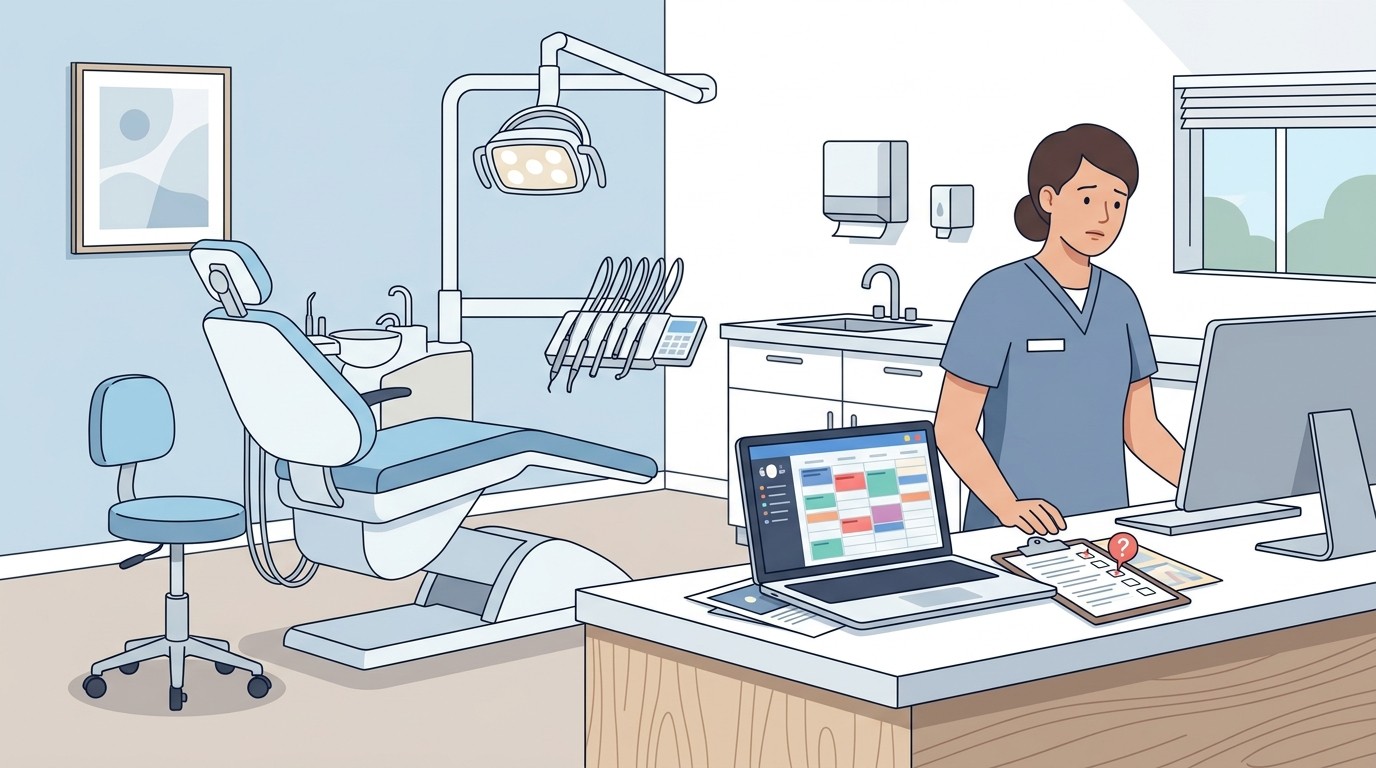
The True Cost of Unreconciled Deposits in Dental Practices
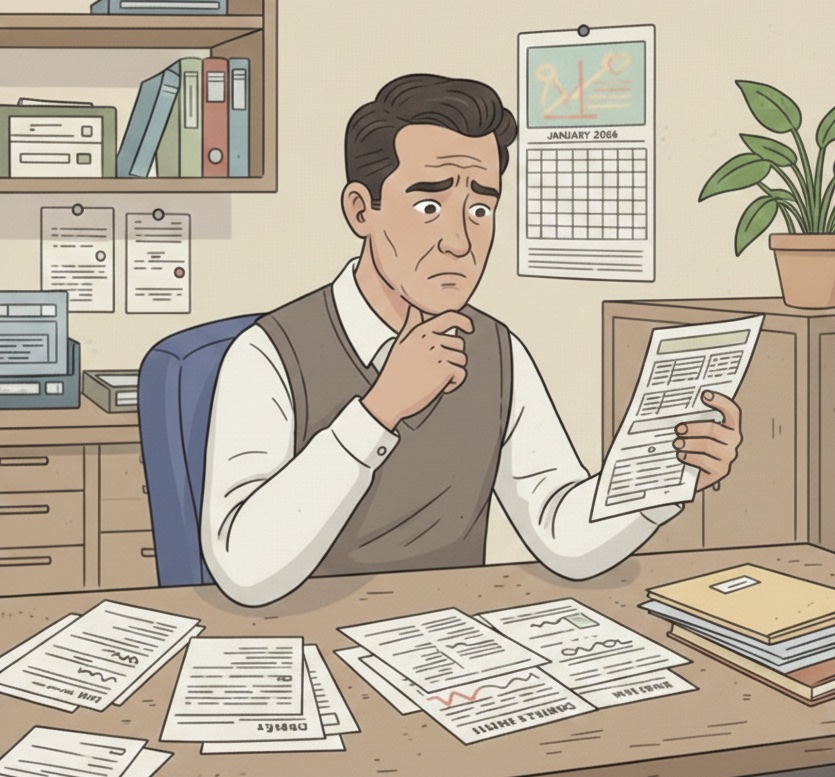
There is $14,000 sitting in your bank account right now that does not match anything in your practice management system. Do you know where it came from?
📚 Part of our reconciliation series: This article is part of The Complete Guide to Dental Practice Reconciliation, our comprehensive resource on closing your books accurately and preventing revenue leakage.
The Money in Limbo Problem
Every dental practice has them. Deposits that hit the bank account but never got properly recorded. Payments that were posted to patient ledgers but do not match what actually arrived. Money that exists in one system but not the other.
These are unreconciled deposits, and they are more common than most practice owners realize.
The problem is not just messy books. Unreconciled deposits represent real financial risk:
- Revenue that was earned but never collected,
- Payments received but never credited to patients, and
- Discrepancies that mask deeper operational problems
... all hiding in plain sight on your bank statement.
What Does Unreconciled Actually Mean?
A deposit is reconciled when you can trace it from your bank statement back to specific payments in your practice management system. The amounts match. The dates align. You know exactly which patients and insurance companies contributed to that deposit.
An unreconciled deposit is any amount where that trail breaks down.
Maybe a $3,200 insurance EFT hit your account, but your PMS only shows $2,847 in posted payments from that payer. Where is the other $353?
Maybe your daily deposit slip shows $1,890 in patient payments, but your bank only received $1,740. What happened to $150?
These gaps are not accounting technicalities. They represent real money that is either missing, misallocated, or incorrectly recorded.
The Direct Costs of Unreconciled Deposits
Write-Offs You Did Not Approve
When deposits go unreconciled long enough, they often get written off. Someone decides the amount is too small to track down, or too much time has passed to investigate. These write-offs add up.
A practice that writes off just $500 per month in unidentified deposits loses $6,000 per year. Many practices lose far more without realizing it.
Aged Accounts Receivable
Sometimes the problem works in reverse. A patient's insurance paid, the money arrived, but the payment never got posted. That patient's account still shows a balance. They receive statements. Maybe they get sent to collections.
Meanwhile, their money has been sitting in your bank account for months.
This creates awkward patient conversations, damages relationships, and wastes staff time chasing payments that already arrived.
Refund Liability
When payments get posted to wrong accounts or duplicate payments slip through, you accumulate credit balances. Some of these require refunds. Others sit on the books indefinitely, creating compliance exposure and audit headaches.
Practices with poor reconciliation habits often carry $10,000 to $50,000 in unexplained credit balances across their patient accounts.
The Hidden Costs Nobody Talks About
Staff Time and Frustration
Your front office team did not sign up to be forensic accountants. Yet that is exactly what they become when reconciliation falls behind.
Tracking down a single unreconciled deposit can take 30 minutes to two hours, depending on how old it is and how messy the records are. Multiply that by dozens of discrepancies per month, and you are looking at one to two full days of staff time spent on detective work instead of patient care.
The frustration compounds. Team members feel like they are constantly behind. Month-end becomes a dreaded marathon of spreadsheets and phone calls to insurance companies.
Stress on Practice Owners
Most dentists did not go to dental school to worry about bank reconciliation. Yet the financial health of the practice ultimately falls on the owner's shoulders.
When deposits do not reconcile, it creates a nagging uncertainty. Are we actually profitable? Is someone making mistakes? Could there be something worse going on?
That stress affects decision-making. Owners delay equipment purchases or hiring decisions because they are not confident in their numbers. They lose sleep wondering if the practice is really doing as well as the reports suggest.
Audit and Compliance Risk
Unreconciled deposits create messy books. Messy books create audit risk.
If your practice ever faces an IRS audit, insurance audit, or due diligence review for a sale or partnership, those unreconciled items will surface. At best, they require extensive documentation and explanation. At worst, they raise red flags that trigger deeper investigation.
Practices with clean, reconciled books command higher valuations and face fewer obstacles in transitions.
A Real-World Example
Consider a mid-sized general dentistry practice producing $1.2 million annually. During a routine review, they discovered the following unreconciled items accumulated over 18 months:
Insurance EFT discrepancies: $23,400 in deposits that did not match posted payments. Investigation revealed a mix of unposted payments, payments posted to wrong patients, and ERA processing errors.
Patient payment gaps: $4,200 in cash and check deposits that could not be traced to specific patients. Some were likely posted under incorrect names or dates.
Credit card batch timing issues: $8,100 in deposits that arrived on different days than expected due to weekend and holiday processing delays. These were not actually missing, just confusing.
Unexplained credit balances: $31,000 across 89 patient accounts. Some were legitimate overpayments awaiting refunds. Others were posting errors that had never been corrected.
The practice spent 60+ hours over three months cleaning up these discrepancies. They ultimately wrote off $7,400 that could not be resolved. And they discovered one employee had been making adjustments to cover mistakes rather than fixing them properly.
Total cost: over $15,000 in lost revenue, plus hundreds of hours of staff time, plus the cost of implementing new controls to prevent recurrence.
How to Audit Your Unreconciled Deposits
If you suspect your practice has reconciliation issues, start with these steps:
Pull Your Bank Statements
Gather the last three months of bank statements. Create a list of every deposit, including date, amount, and any identifying information such as check numbers and EFT references.
Run Payment Reports from Your PMS
Generate payment reports from your practice management system for the same period. Filter by payment type: insurance, patient check, patient cash, credit card.
Compare Totals by Category
Start with the big picture. Do your total insurance deposits match your total posted insurance payments? What about patient payments and credit cards?
If the totals are close, within 1-2%, your reconciliation is probably solid. If the gaps are larger, you have work to do.
Investigate the Gaps
For each category with significant discrepancies, dig deeper. Match individual deposits to specific payments. Look for patterns: timing issues, specific payers, certain days of the week.
Document everything you find. The patterns will tell you where your process is breaking down.
Prevention Strategies That Actually Work
Reconcile Daily, Not Monthly
The single most effective change you can make is moving from monthly to daily reconciliation. When you reconcile every day, discrepancies are small and fresh. You remember what happened. The trail is warm.
Daily reconciliation takes 15 to 20 minutes. Monthly reconciliation takes hours, sometimes days, and still misses things.
Match Deposits to Source Documents
Every deposit should trace back to a source document. Insurance EFTs match to ERAs. Patient payments match to receipts. Credit card deposits match to batch reports.
If you cannot produce the source document, something went wrong in the process.
Separate Duties Where Possible
The person posting payments should not be the only person reconciling deposits. Having a second set of eyes catches mistakes and deters intentional manipulation.
In smaller practices, the owner or office manager should review reconciliation reports weekly, even if someone else prepares them.
Use Technology to Flag Discrepancies
Modern reconciliation tools can automatically compare bank deposits to PMS data and highlight mismatches. This turns a manual hunt into a focused review of exceptions.
Automation does not replace human judgment, but it dramatically reduces the time spent on routine matching.
Create Accountability
Someone should own reconciliation. It should be part of their job description, with specific expectations and deadlines. When reconciliation is everyone's job, it becomes no one's job.
Review reconciliation status in regular team meetings. Celebrate when the books are clean. Address problems promptly when they are not.
Warning Signs You Are Falling Behind
Watch for these indicators that reconciliation needs attention:
Month-end takes longer each time. If closing your books keeps getting harder, unresolved items are accumulating.
Your accountant asks a lot of questions. When your CPA or bookkeeper regularly finds discrepancies, your internal reconciliation is not catching them first.
Patient balance disputes increase. More patients calling to dispute their statements often signals posting errors that proper reconciliation would catch.
You are not sure if a deposit has been recorded. If you ever look at a bank deposit and genuinely do not know whether it made it into your PMS, that is a reconciliation failure.
Credit balances keep growing. An increasing total of patient credit balances suggests overpayments or posting errors that are not being resolved.
The Payoff of Clean Reconciliation
Practices that master deposit reconciliation gain more than accurate books. They gain confidence.
You know exactly where your money comes from. You can trust your production and collection reports. You catch problems while they are small and fixable. And you build a financial foundation that supports growth, transitions, and peace of mind.
The alternative is flying partially blind, hoping the numbers are close enough, and discovering problems only when they have grown too big to ignore.
Ready to stop losing revenue to unreconciled deposits? Zeldent automatically matches your bank activity to your PMS every day, surfacing discrepancies before they become write-offs. Schedule a demo to see what is hiding in your deposit history.